The Problem
Substance use conversations often happen in fragments one substance at a time, one crisis at a time. But in clinical practice, the reality is far more interconnected.
In this episode of The Transformed Minds, host Dr. O sits down with Dr. Desai, an addiction medicine physician and educator, to unpack the medical realities of several commonly used substances: alcohol, cannabis, opioids, stimulants, and benzodiazepines.
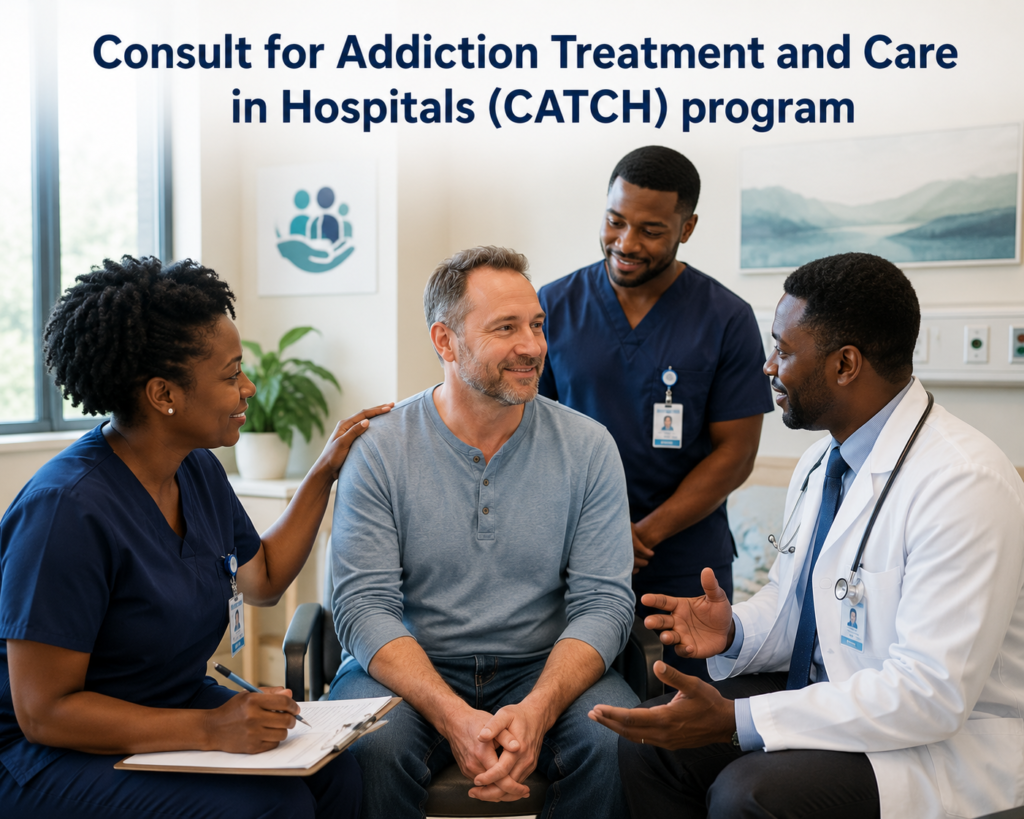
Dr. Desai completed her residency in Family Medicine and Community Health at Robert Wood Johnson Medical School and fellowship training in Addiction Medicine at the Icahn School of Medicine at Mount Sinai. She currently serves as the Addiction Medicine Consult Lead for the Consult for Addiction Treatment and Care in Hospitals (CATCH) team at Staten Island University Hospital, where she works closely with patients navigating substance use disorders and co-occurring psychiatric conditions.
Using motivational interviewing focused approaches, she emphasizes practical, patient-centered care while also advocating for interdisciplinary education and systems-level reform in addiction treatment.
This conversation moves beyond myths to explore how substances actually affect the body, who is most vulnerable to harm, and what evidence-based care looks like in real-world settings.
Why It Matters
Substance use exists on a spectrum from casual use to medically dangerous patterns and many harms develop gradually or go unnoticed until a crisis occurs.
Legal status often shapes perception more than science. For example, alcohol remains widely normalized despite its association with neurologic, cardiovascular, hepatic, and respiratory complications. Meanwhile, substances like cannabis are increasingly viewed as benign despite emerging evidence linking heavy use to psychiatric symptoms, cognitive effects, and dependence in some individuals.
Opioids present another set of risks entirely. Their ability to rapidly produce tolerance, physical dependence, and respiratory depression makes them uniquely associated with overdose mortality, particularly when combined with other depressants.
At the same time, stimulant use, benzodiazepine dependence, and polysubstance patterns are becoming increasingly common in clinical practice.
Understanding these substances in isolation is not enough. The real challenge is learning how they interact with mental health, physiology, and social context in ways that shape both risk and recovery.
Key Takeaways
- Alcohol remains one of the most medically dangerous substances despite its legal status. Chronic use affects multiple organ systems, and withdrawal can be life-threatening in severe cases.
- Cannabis affects individuals differently. Differences in THC concentration, genetic vulnerability, and underlying psychiatric conditions can shape how people experience its effects.
- Opioids carry uniquely high overdose risk. Tolerance, reduced respiratory drive, and the mixing of substances dramatically increase mortality risk.
- Benzodiazepines and stimulants are frequently underestimated. Benzodiazepine withdrawal can be medically dangerous, while stimulant use can lead to serious cardiovascular and psychiatric complications.
- Polysubstance use is increasingly the norm rather than the exception. Mixing substances intentionally or unintentionally amplifies risk and complicates treatment decisions.
Beyond the Mic
One of the most valuable insights from this discussion is the importance of structured clinical thinking when assessing substance use.
Dr. Desai walks through a practical framework that clinicians can use when discussing any substance with patients:
Reframe the substance.
Start by understanding what the drug is actually doing in the body and correcting common misconceptions.
Understand risk and reality.
Who is most vulnerable to harm? What risks are being overlooked because of cultural normalization or misinformation?
Featured Resources
- https://siuh.northwell.edu/behavioral-health/center-preventions-treatment-chemical-dependency/consult-for-addiction-treatment-and-care-in-hospitals
- Bunting AM, Fawole A, Fernando J, et al. Staff perspectives of barriers and facilitators to implementation of the Consult for Addiction Treatment and Care in Hospitals (CATCH) program in New York City safety net hospitals. J Subst Use Addict Treat. 2025;168:209560. doi:10.1016/j.josat.2024.209560
→ Listen to the full episode on The Transformed Minds FULL EPISODE to explore what the CATCH model is and evidence behind MOUD access, structural disparities in addiction treatment, and what clinicians, policymakers, and communities can do to move from evidence to action.
Stay ready. Stay aware. Stay grounded.